Sham Shui Po – Castle Peak Road ca.1960
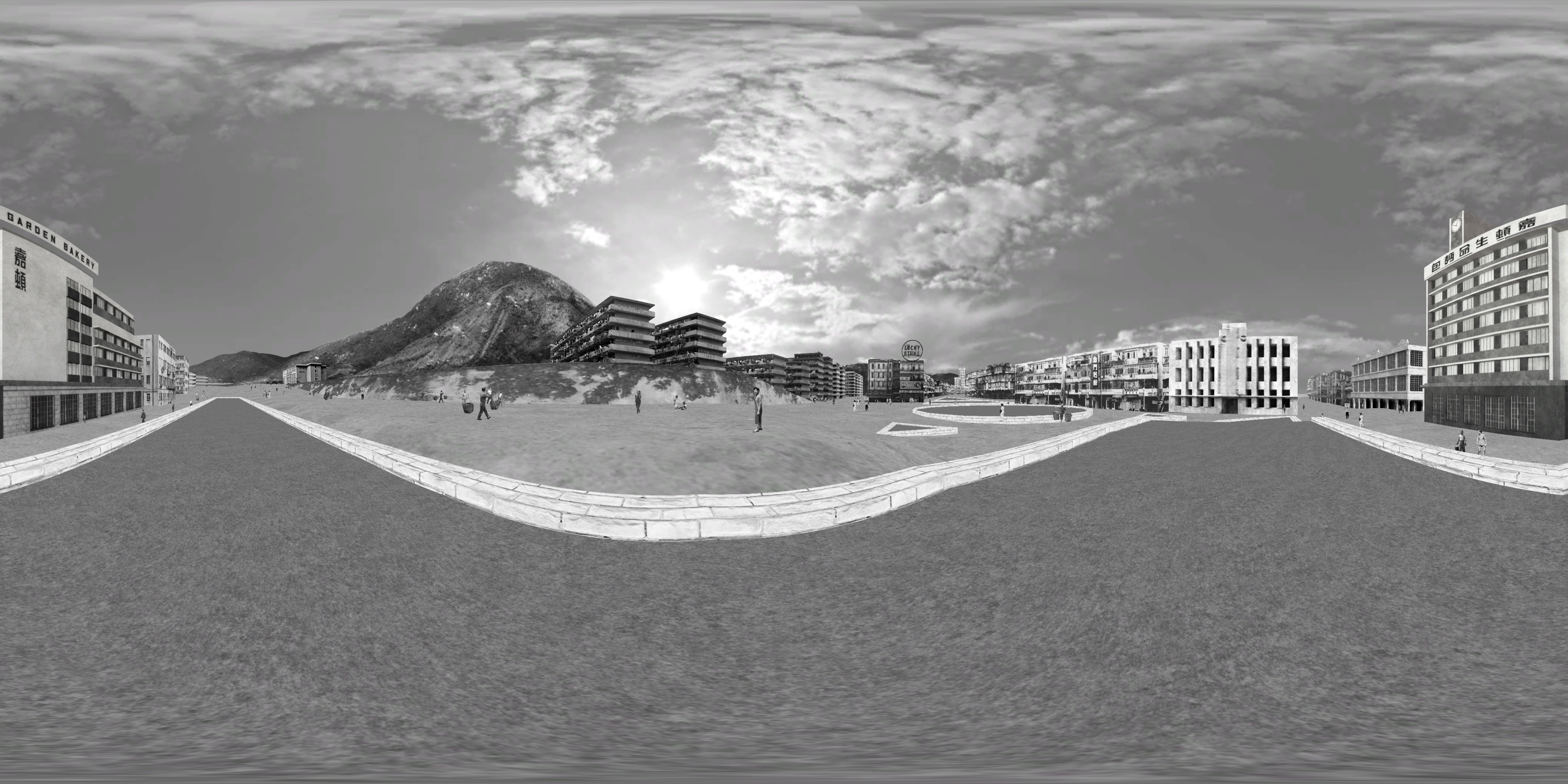
360-degree panoramic artwork developed from historical photos
Historical Hotspots:
Tai Po Road
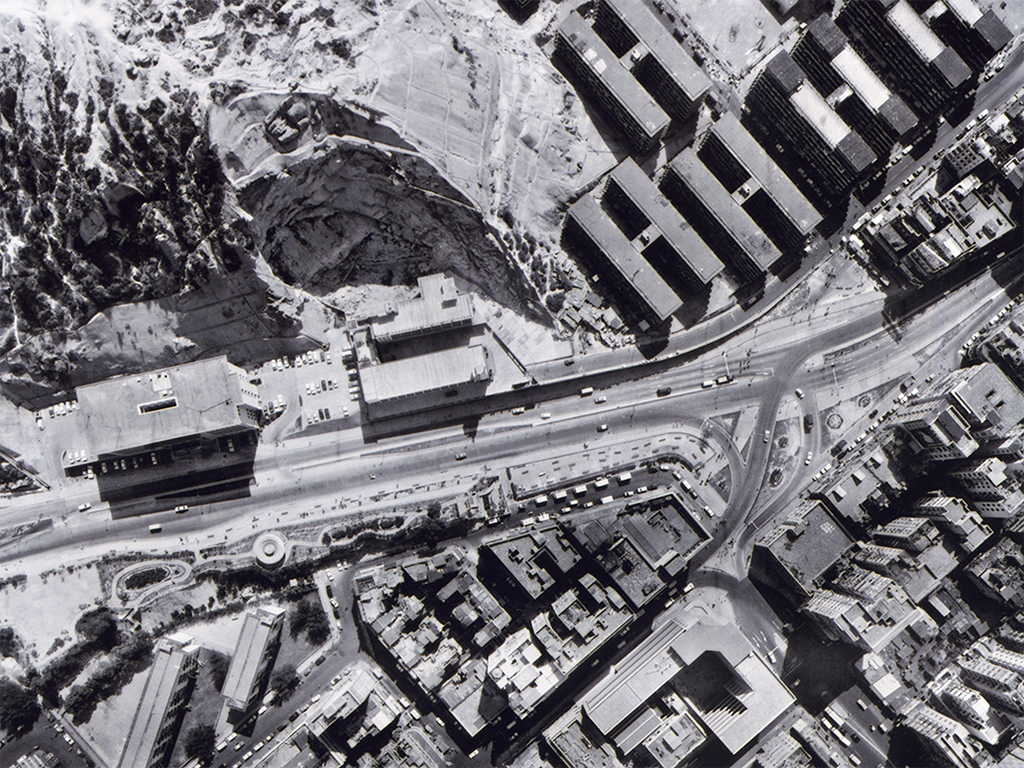
Tai Po Road, the main road connecting Kowloon to Shenzhen, was said to be the first road constructed by the British following the lease of the New Territories. It is combined by eight sections from Kowloon to the north New Territories and its section at Sham Shui Po is around 3.42 km long. Now the section in Kowloon is called “Tai Po Road”, while all the other sections are named with their exact locations after Tai Po Road.
The New Territories, spanning from the area north of Kowloon to the Shenzhen River, was leased by the British government from the Qing government in 1898. Tai Po Road began construction in 1899 and was completed in 1902. During the first half of the 20th century, it was one of the major roads linking Kowloon to the New Territories. Now the section covered in the east of the New Territories is around 18.4 km and notably the second-longest highway in Hong Kong.
The aerial photo(s) reproduced with permission of the Director of Lands. © The Government of the Hong Kong SAR. Licence No. G18/2020
Garden’s Hong Kong Head Office
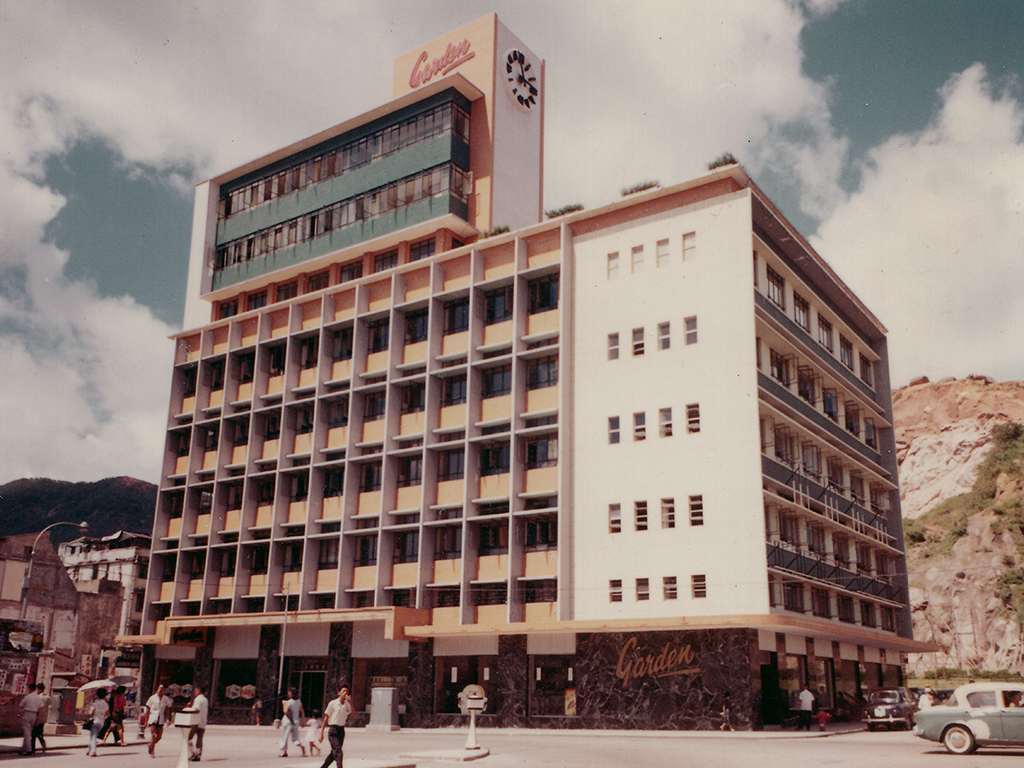
The factory operated by The Garden Company Limited on Castle Peak Road is the landmark of Sham Shui Po. Due to the social unrest occurred in 1956, all machinery was severely damaged and hence the factory was further expanded to become Garden Centre, designed by the well -known architect, Chu Pin in 1958. The building was renovated to include additional floors, bringing it to 7-storeys with a clock tower, which reflected the post-modernism style as one of the after-war architectures in Hong Kong. In 2018, the building was ranked as a Grade II historic building.
In the 1960s, Garden promoted the idea of healthy eating and became the pioneer to integrate vitamins and minerals within its products, so that consumers would be able to replenish essential nutrients with the bakery goods. The famous product “Life Bread” was then manufactured and circulated in Hong Kong.
Photo courtesy of Garden Company Limited
Mei Ho House
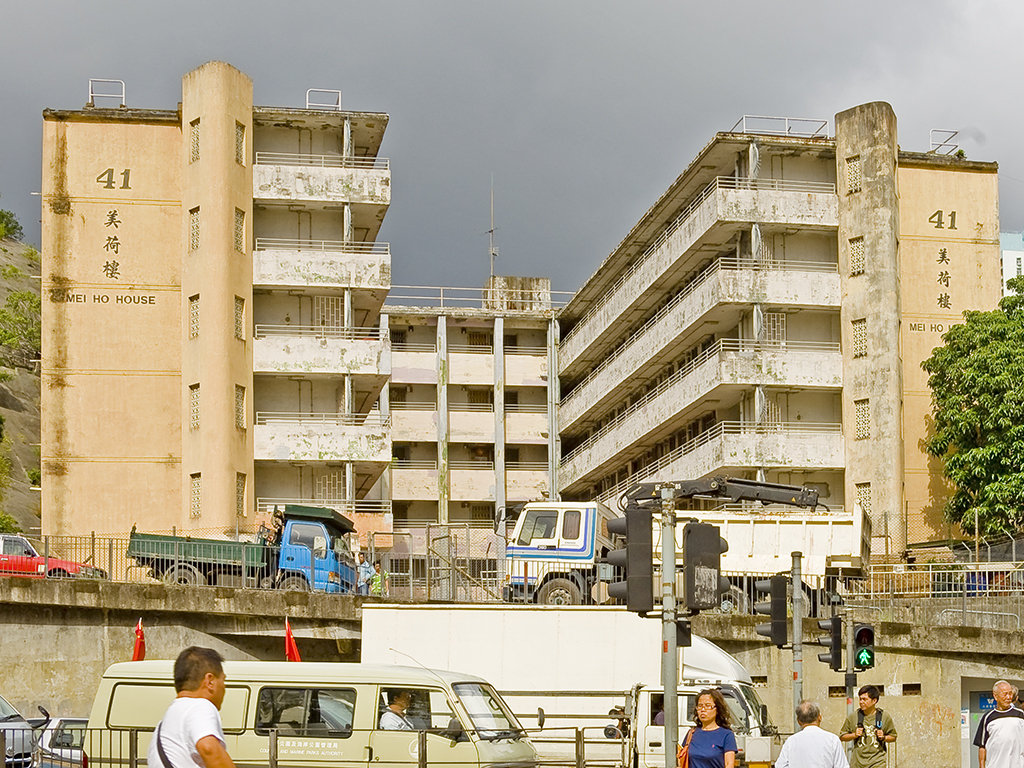
On 25 December 1953, a massive fire ravaged the squatter huts in a hillside at Shek Kip Mei and left around 58,000 people homeless. To shelter the victims, the government launched the first batch of 6-storey-resettlement estates, including Mei Ho House at the original site. Mei Ho House was completed in 1954 and marked the commencement of public housing policies in Hong Kong. In 2010, Mei Ho House was listed as a Grade II historic building and revitalised into YHA Mei Ho House Youth Hostel, comprising the Heritage of Mei Ho House and a café.
As the only remaining H-shaped resettlement building in Hong Kong, Mei Ho House, whose central part is conjoined by two similarly shaped wings of apartment units, gives the block its signature letter “H” appearance. In the early days, each flat’s size was only 120 sq. ft. with a capacity of five residents, and without any direct supply of water and electricity. However, people could use the public water taps, toilets and shower rooms located in the middle of each floor. Limited private space in the flats led to the utilization of the public corridor, which spanned the entire level, by the dwellers for cooking and kids’ leisure activities and studies.
Photo courtesy of Hong Kong Housing Authority
Source: The Heritage of Mei Ho House
Animation:

In the 1960s, Hong Kong’s economy grown faster. Many factories were opened in Sham Shui Po. This typical red truck, local people called it as “Lion Head”, to transport the goods between Hong Kong and Kowloon.